Phone+98-912-028-0065

Numerical Simulation of Single Bubble Motion Along Inclined Walls: A Comprehensive Map of Outcomes

Author: Sajad Khodadadi

Abstract

This paper presents numerical simulations of single bubble motion next to inclined walls using the volume-of-fluid (VoF) method. Various parameters such as wall slope, contact angle, and dimensionless numbers like Bond and Morton are explored. The study classifies bubble regimes into sliding, intermittent, and non-contact regimes, and a regime map is proposed. The results are validated against experimental data, highlighting the complex interaction between bubbles and inclined walls.

1. Introduction

Bubble dynamics near walls play a vital role in several industrial processes, including electrolysis, water treatment, flotation, and gas production systems. The interaction of bubbles with inclined surfaces is more complex than vertical or horizontal walls due to the combined effects of surface tension, buoyancy, and drag forces. This work investigates the influence of various parameters on bubble-wall interactions, proposing a comprehensive regime map.

2. Methodology

The interFoam solver in OpenFOAM is used to simulate the bubble dynamics. The volume-of-fluid (VoF) method is employed to capture the interface between the gas and liquid phases. Key governing equations include the continuity and momentum equations, along with surface tension modeled through the Continuum Surface Force (CSF) model. The computational domain is designed with non-uniform hexahedral cells, ensuring high resolution near the wall to capture the thin boundary layer.

3. Results and Discussion

The results highlight three distinct bubble regimes: sliding, intermittent contact, and non-contact. In the sliding regime, the bubble remains close to the wall, while in the non-contact regime, the bubble moves away from the wall due to vortex structures.
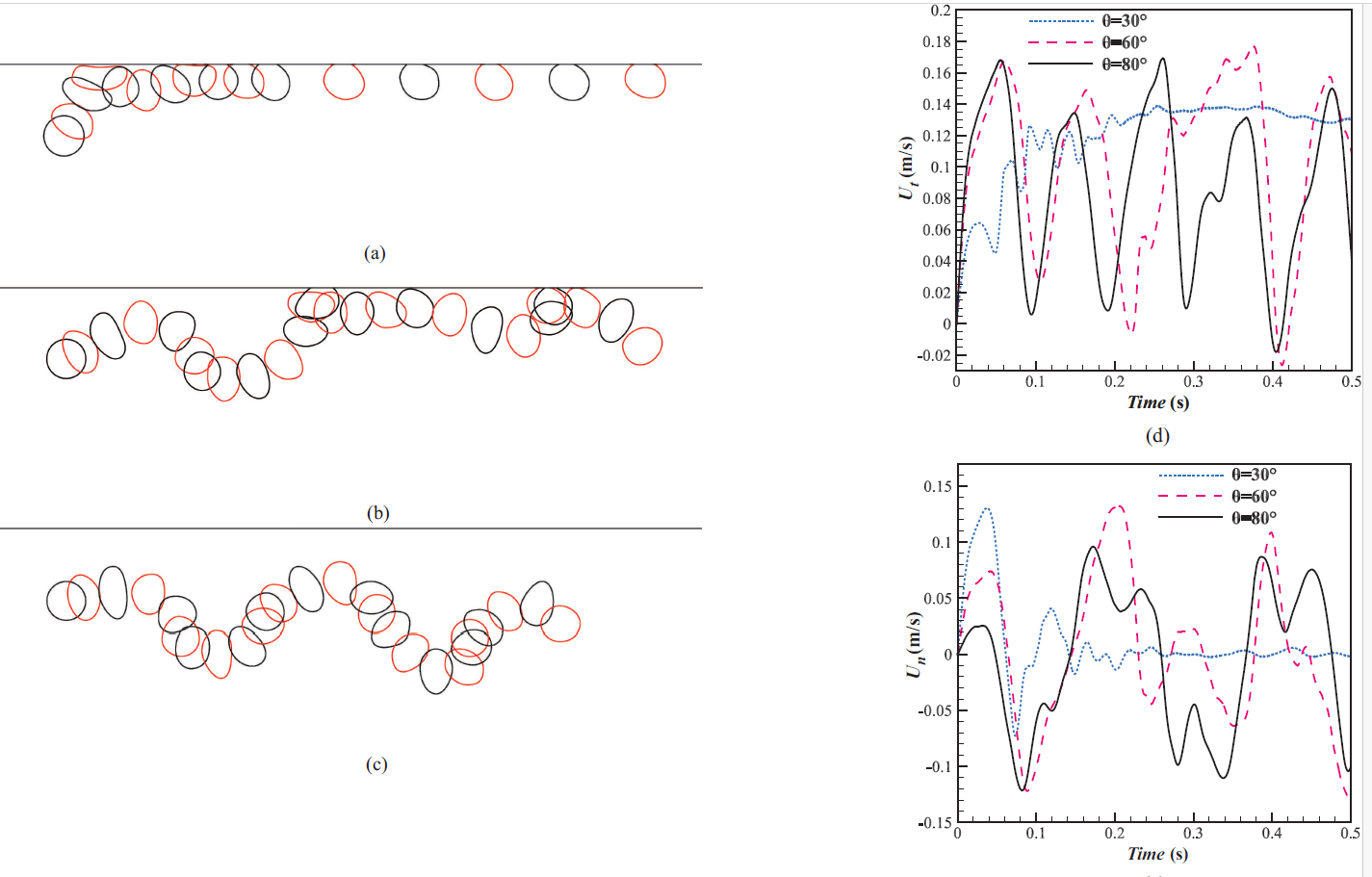
Figure 1: Bubble Shape and Velocity in different Regimes


4. Conclusion

This study classifies bubble-wall interactions into three regimes based on wall inclination and bubble size. The findings contribute to better understanding the bubble behavior in industrial applications like heat exchangers and electrolysis cells. Further experimental studies are recommended to validate the proposed regime map under various conditions.